
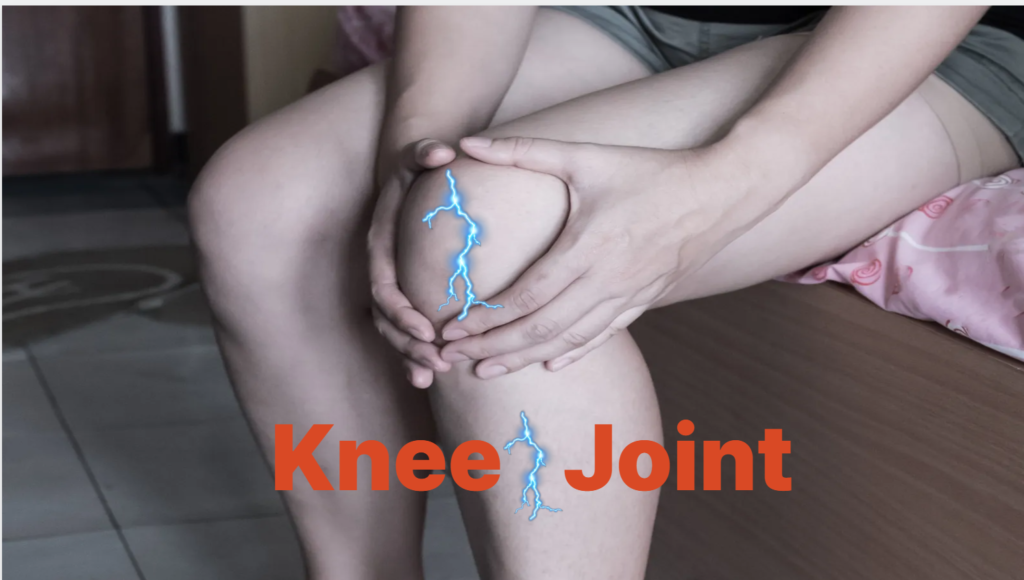
Knee pain is one of the most common complaints among adults over 60 — but with the right approach, you can move more freely and hurt less every day.
“This post contains affiliate links. If you purchase through these links, I may earn a small commission at no extra cost to you. This helps support the site and allows me to continue creating helpful content for seniors.”
Why Do Knees Hurt More as We Age?
Your knees are the hardest-working joints in your body. Every time you walk, climb stairs, or simply stand up from a chair, your knees absorb a force equal to 3–4 times your body weight. Over decades, that adds up.
By the time most people reach their 60s, the cartilage cushioning their knee joints has thinned considerably. The fluid that keeps joints lubricated decreases. Muscles that support the knee weaken. The result? Pain, stiffness, and that familiar ache that seems to get worse with cold weather or after sitting too long.
The good news is that knee pain isn’t something you just have to live with. Understanding what’s causing it is the first step toward real relief.
Common Causes of Knee Pain in Seniors
Osteoarthritis By far the most common cause. The protective cartilage between the knee bones gradually wears away, leaving bones to grind against each other. Pain is usually worse in the morning, after long periods of sitting, or after physical activity.
Bursitis Small fluid-filled sacs called bursae cushion the outside of your knee joint. When they become inflamed — from overuse, kneeling, or injury — you get sharp pain and swelling, especially around the kneecap.
Meniscus Degeneration The meniscus is a C-shaped piece of cartilage that acts as a shock absorber. It naturally degrades with age and can tear even without a specific injury — causing pain, swelling, and a feeling that the knee is “locking up.”
Tendinitis Inflammation of the tendons around the knee, often from repetitive movement. Common in seniors who walk a lot or climb stairs regularly.
Previous Injuries An old sports injury or accident can come back years later as arthritis develops in the damaged area.
Recognizing the Symptoms
Knee joint pain in seniors can show up in different ways:
- Stiffness after sitting or lying down for a while
- Swelling around the kneecap or along the joint line
- Popping or crunching sounds when bending the knee
- Weakness — the knee feels like it might give way
- Limited range of motion — difficulty fully bending or straightening the leg
- Pain that worsens with stairs, hills, or getting up from a chair
If you notice sudden severe swelling, significant instability, or pain following a fall, see your doctor promptly.
When to See a Doctor
Most mild knee pain can be managed at home, but get medical attention if you experience:
- Knee pain that doesn’t improve after 2–3 weeks of home care
- Significant swelling that appears suddenly
- Inability to bear weight on the leg
- Visible deformity of the knee
- Pain accompanied by fever (possible sign of infection)
Early diagnosis matters — catching osteoarthritis in earlier stages allows for more treatment options and can slow progression significantly.
Gentle Exercises That Actually Help
It seems counterintuitive, but one of the best things you can do for knee pain is move more — not less. Strengthening the muscles around the knee takes pressure off the joint itself.
Straight Leg Raises Lie on your back, tighten the thigh muscle of your affected leg, and lift it to the height of the other bent knee. Hold for 3 seconds, lower slowly. Repeat 10–15 times. Builds quadricep strength without stressing the knee joint.
Wall Sits (Partial) Stand with your back against a wall and slide down just slightly — not a full squat. Hold for 10–20 seconds. Repeat 5 times. Strengthens quads and glutes with minimal joint impact.
Heel Slides Lie on your back and slowly slide your heel toward your buttocks, bending the knee as far as comfortable. Hold briefly, then slide back. Repeat 10 times. Improves range of motion gently.
Seated Knee Extensions Sit in a chair and slowly straighten one leg until it’s parallel to the floor. Hold for 3 seconds, lower slowly. Alternate legs. Great for seniors who find floor exercises difficult.
Short Walks Even 10–15 minutes of walking daily helps maintain joint flexibility and strengthens surrounding muscles. Flat, even surfaces are best — and good shoes matter enormously.
👉 See our guide: Best Walking Shoes for Seniors with Joint Pain for footwear that reduces knee stress with every step.
Heat vs. Cold: What Works for Knee Pain
Use heat when:
- Your knee feels stiff in the morning
- Muscles around the knee are tight or sore
- You’re about to do gentle exercise (warms up the joint)
Use cold when:
- There’s visible swelling or inflammation
- Pain flares up after activity
- The knee feels warm to the touch
A quality reusable hot/cold pack is one of the most practical investments for managing knee pain at home. Many seniors keep one in the freezer and one ready to warm up.
[Browse top-rated knee hot/cold therapy packs on Amazon →]
Products That Help with Knee Joint Pain
Knee Braces and Compression Sleeves
A well-fitted knee brace provides support, reduces swelling, and gives many seniors the confidence to stay active without fear of the knee giving way.
Types to know:
- Compression sleeve — lightweight, improves circulation, mild support. Good for everyday wear and walks
- Hinged knee brace — more structured support, better for instability or recovering from injury
- Patellar stabilizer — targets pain around the kneecap specifically
[Shop highly-rated knee braces for seniors on Amazon →]
Knee Pillows for Sleep
Many seniors find knee pain is worst at night or first thing in the morning. A contoured knee pillow keeps the legs properly aligned while sleeping, reducing strain on the joint.
[See top-rated knee pillows on Amazon →]
Topical Pain Relief
Creams and gels containing menthol, camphor, or diclofenac (an anti-inflammatory) can provide localized relief without the stomach issues that come with oral pain medications. Many seniors prefer these for targeted knee pain.
[Browse top-rated topical pain relief creams on Amazon →]
Assistive Devices for Daily Life
- Canes — a properly fitted cane on the opposite side of the painful knee reduces joint load by up to 25%
- Reacher/grabber tools — avoid bending the knee to pick things up from the floor
- Raised toilet seats — dramatically reduce the strain of sitting down and standing up
[Shop senior-friendly mobility and assistive aids on Amazon →]
Anti-Fatigue Mats
If you spend time standing in the kitchen or at a counter, a cushioned anti-fatigue mat reduces the impact on your knees significantly. A small change that adds up over hours of daily use.
[View top anti-fatigue mats on Amazon →]
Recommended Products at a Glance
| Product | What It Helps With | Amazon Link |
|---|---|---|
| Knee compression sleeve | Daily support, swelling | [View on Amazon →] |
| Hinged knee brace | Instability, post-injury | [View on Amazon →] |
| Hot/cold therapy pack | Stiffness and flare-ups | [View on Amazon →] |
| Knee pillow for sleeping | Night pain, alignment | [View on Amazon →] |
| Topical pain relief cream | Localized pain relief | [View on Amazon →] |
| Adjustable cane | Reduces joint load walking | [View on Amazon →] |
| Anti-fatigue mat | Standing comfort | [View on Amazon →] |
Lifestyle Changes That Make a Real Difference
Lose even a little weight. Every pound lost removes roughly 4 pounds of pressure from your knees. A 10-pound weight loss can reduce knee pain noticeably — without any medication.
Watch your diet. Anti-inflammatory foods like fatty fish, leafy greens, berries, and olive oil can help reduce the systemic inflammation that worsens joint pain. Ultra-processed foods and excess sugar tend to make it worse.
Stay consistent. The biggest mistake seniors make is stopping exercise when pain flares up, then restarting too hard when it eases. Gentle, consistent daily movement is far better than on-and-off intense sessions.
More in Our Joint Pain Series
- 👉 Joint Pain in Seniors: Complete Guide to Symptoms, Causes & Solutions
- 👉 Best Walking Shoes for Seniors with Joint Pain
- 👉 Hand & Finger Joint Pain: Relief Tips & Helpful Tools
- 👉 Wrist Joint Pain in Seniors: What Helps & What Doesn’t
- 👉 Best Supplements for Joint Pain in Seniors
- 👉 Hip Pain in Seniors: Gentle Exercises & Support Products
The Bottom Line
Knee pain is incredibly common in seniors — but it responds well to the right combination of gentle movement, smart product choices, and small lifestyle adjustments. You don’t need to push through pain or give up the activities you enjoy.
Start with one thing: a daily 10-minute walk, a knee sleeve for support, or a cold pack after activity. Build from there. Your knees will thank you.
Dealing with knee pain and found something that helps? Share your experience in the comments below.
⚠️Disclaimer: This article is for informational purposes only and does not constitute medical advice. Always consult your healthcare provider before beginning any new exercise program or treatment.
“As an Amazon Associate, I earn from qualifying purchases.”