
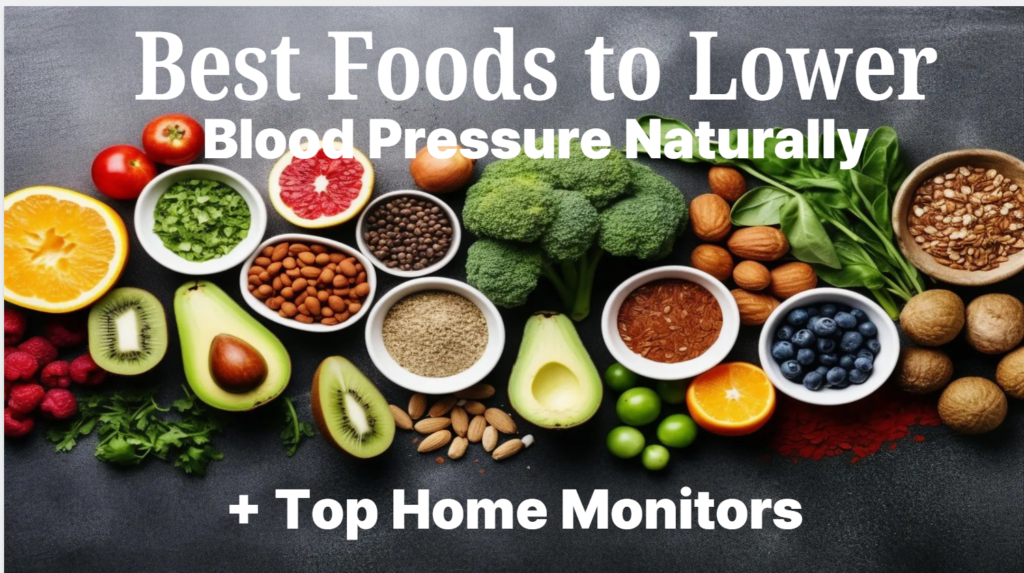
Small daily choices make a big difference. Here’s what to eat — and how to keep track of your numbers at home.
Disclosure: This post contains affiliate links. If you purchase through these links, I may earn a small commission at no extra cost to you.
What Is High Blood Pressure — And Why Should Seniors Care?
High blood pressure (hypertension) is often called the “silent killer” — and for good reason. It rarely causes obvious symptoms, yet it’s one of the leading risk factors for heart attack, stroke, and kidney disease.
For seniors, the stakes are even higher. Blood vessels naturally stiffen with age, making high blood pressure both more common and more dangerous. In fact, nearly 70% of adults over 65 have hypertension — and many don’t even know it.
The good news? Diet plays a powerful role in managing blood pressure — and small, consistent changes to what you eat can make a meaningful difference in your numbers.
Foods That Naturally Help Lower Blood Pressure
🫐 Berries Blueberries, strawberries, and raspberries are rich in flavonoids — natural compounds shown to reduce blood pressure over time. A handful a day is all it takes. Easy to add to oatmeal, yogurt, or eat as a snack.
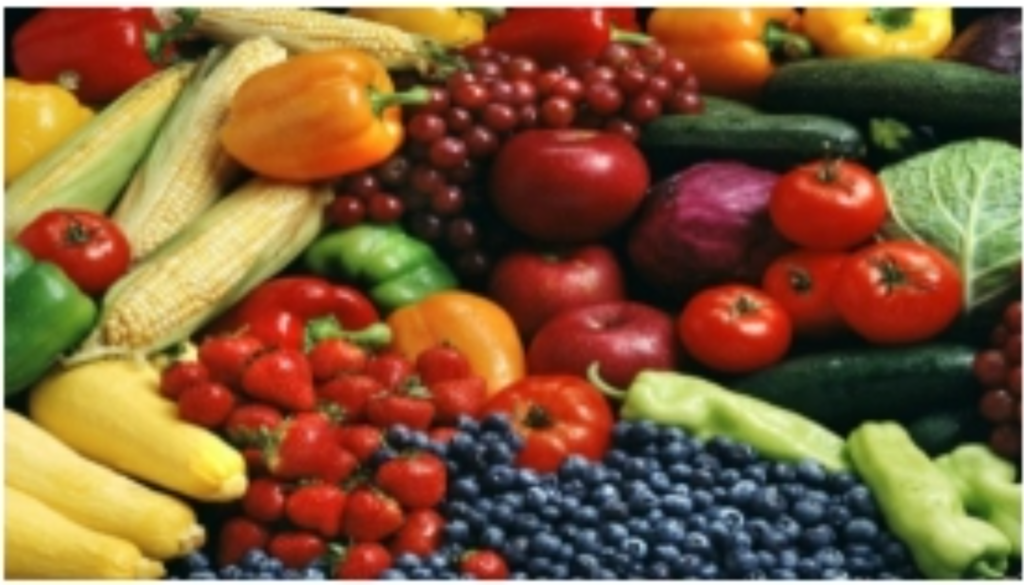
🍌 Bananas One of the best natural sources of potassium — a mineral that helps your body balance sodium levels and relax blood vessel walls. Most seniors don’t get enough potassium daily.
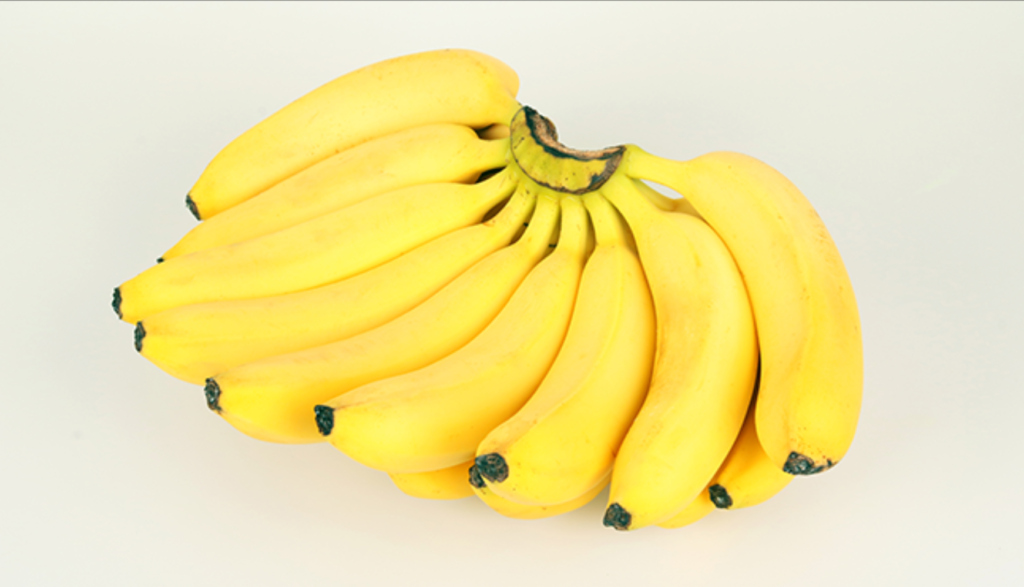
🥬 Leafy Greens Spinach, kale, Swiss chard, and arugula are all high in potassium and nitrates, which help blood vessels dilate and reduce pressure. A simple daily salad or sautéed greens makes a real difference.
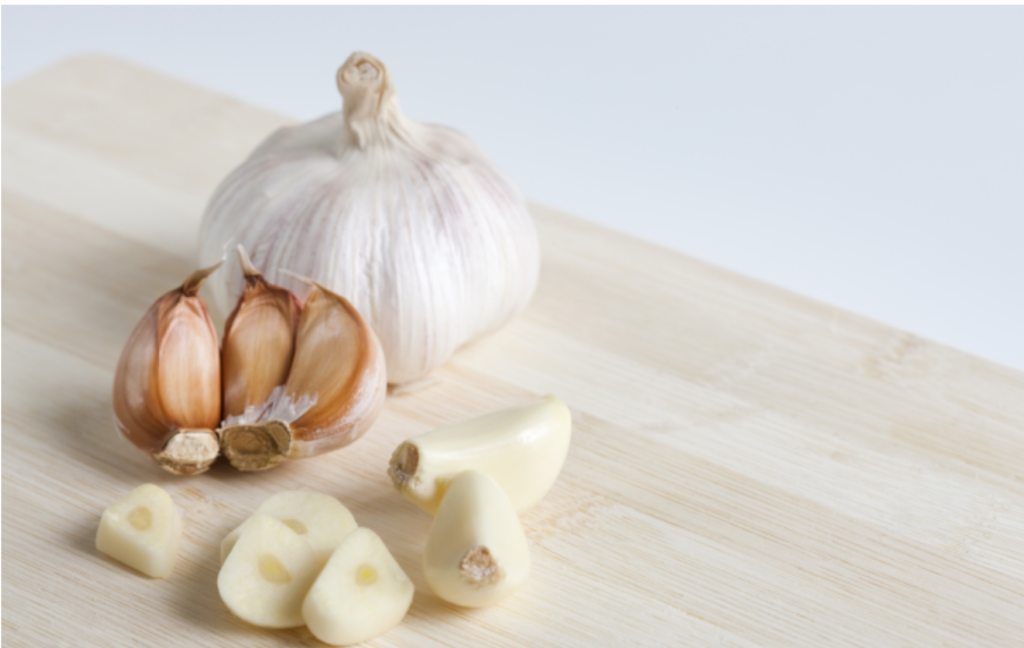
🧄 Garlic Garlic contains allicin, a compound shown in multiple studies to help lower blood pressure. Fresh garlic is most potent — but garlic supplements are a convenient alternative for seniors who don’t cook with it regularly.
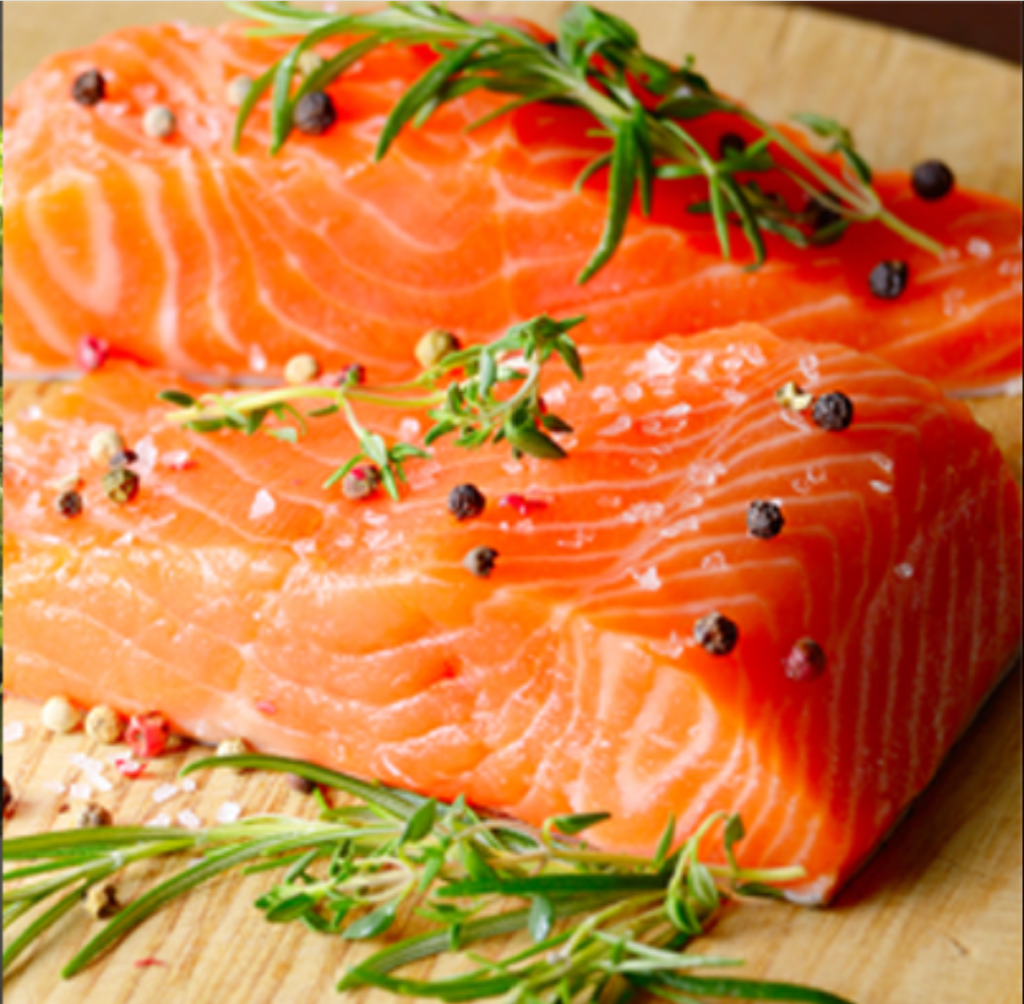
🐟 Fatty Fish Salmon, mackerel, and sardines are rich in omega-3 fatty acids, which reduce inflammation and help lower blood pressure. Aim for two servings per week.
🥣 Oatmeal A bowl of oatmeal in the morning provides soluble fiber that helps reduce both blood pressure and cholesterol. Simple, affordable, and one of the most senior-friendly breakfast choices.
🫘 Beans and Lentils Packed with magnesium, potassium, and fiber — all nutrients that support healthy blood pressure. Easy to add to soups, stews, or salads.
🥛 Low-Fat Dairy Yogurt and low-fat milk contain calcium and peptides that have been shown to have a modest blood-pressure-lowering effect. Greek yogurt with berries is a perfect senior-friendly snack.
🍫 Dark Chocolate (70%+ Cocoa) Good news for chocolate lovers — dark chocolate contains flavanols that help relax blood vessels. A small square daily is enough. Look for varieties with 70% cocoa or higher.

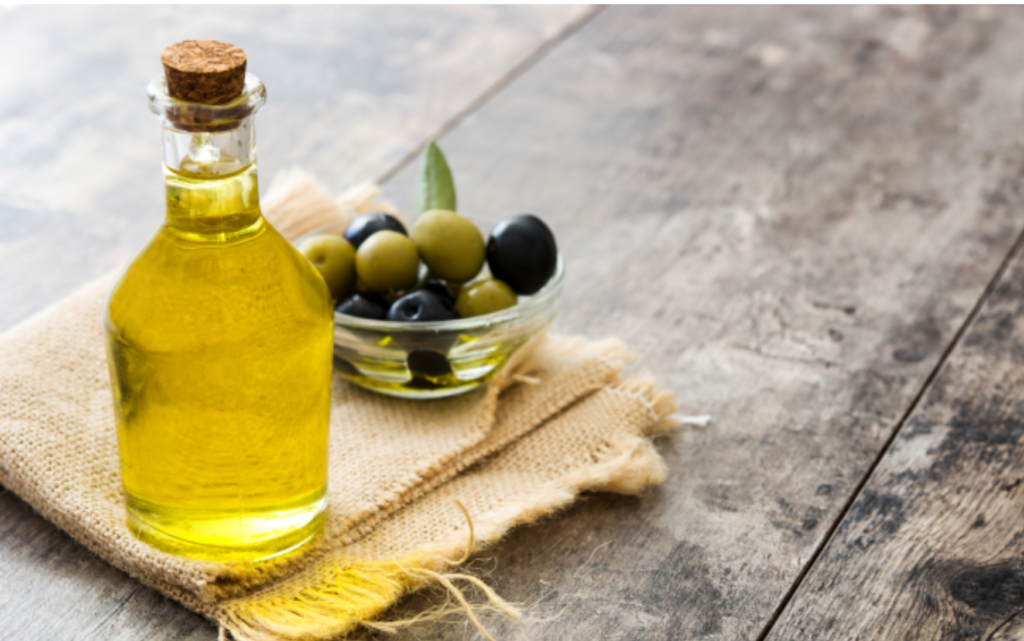
🫒 Olive Oil Extra virgin olive oil is rich in polyphenols and healthy fats that support cardiovascular health. Use it as your primary cooking oil instead of butter or vegetable oil.
Foods to Limit or Avoid
Just as important as what you eat is what you cut back on:
- Sodium (salt) — the biggest dietary culprit for high blood pressure. Aim for less than 1,500mg per day for seniors. Processed foods, canned soups, and fast food are the biggest sources.
- Alcohol — more than one drink per day raises blood pressure significantly
- Caffeine — can cause temporary spikes, especially in seniors sensitive to it
- Processed meats — bacon, deli meat, and sausage are loaded with sodium
- Sugary drinks — linked to increased blood pressure and weight gain
Why Monitoring at Home Matters
Eating well is only half the equation. Knowing your numbers is equally important — and monitoring your blood pressure at home gives you information that a once-a-year doctor visit simply can’t.
Many seniors experience “white coat hypertension” — blood pressure that spikes at the doctor’s office due to anxiety, giving a falsely high reading. Home monitoring gives a more accurate picture of your actual daily blood pressure.
What your numbers mean:
| Reading | Category |
|---|---|
| Below 120/80 | Normal |
| 120–129 / below 80 | Elevated |
| 130–139 / 80–89 | High (Stage 1) |
| 140+ / 90+ | High (Stage 2) |
| 180+ / 120+ | Crisis — seek care immediately |
Best Blood Pressure Monitors for Seniors at Home
Upper Arm Monitors (Most Accurate)
Upper arm monitors are the gold standard recommended by doctors and cardiologists. They’re more accurate than wrist monitors and easier to use consistently.
What to look for:
- Large, easy-to-read display
- Memory storage for multiple readings
- Irregular heartbeat detection
- Fits standard adult arm cuff (or comes with large cuff option)
- Simple one-button operation
[Browse top-rated upper arm blood pressure monitors on Amazon →]
Wrist Monitors (Portable Option)
Wrist monitors are more compact and easier to travel with — but require careful positioning to get accurate readings. A good option for seniors who are frequently on the go.
[See highly-rated wrist blood pressure monitors on Amazon →]
Smart Monitors with App Connectivity
Newer monitors sync with smartphone apps to track trends over time, generate shareable reports for your doctor, and alert you to concerning patterns. Increasingly popular among tech-savvy seniors and their caregivers.
[View top-rated smart blood pressure monitors on Amazon →]
Recommended Products at a Glance
| Product | Best For | Amazon Link |
|---|---|---|
| Upper arm monitor | Most accurate daily readings | [View on Amazon →] |
| Wrist monitor | Portability, travel | [View on Amazon →] |
| Smart monitor with app | Tracking trends, sharing with doctor | [View on Amazon →] |
| Garlic supplement | Convenient alternative to fresh garlic | [View on Amazon →] |
| Omega-3 fish oil | Heart and blood pressure support | [View on Amazon →] |
Simple Daily Habits That Add Up
Beyond diet and monitoring, these lifestyle habits have strong evidence behind them for lowering blood pressure:
- Walk 30 minutes daily — even a gentle daily walk significantly reduces blood pressure over time
- Reduce stress — chronic stress keeps blood pressure elevated. Meditation, deep breathing, and tai chi all help
- Sleep well — poor sleep raises blood pressure. Aim for 7–8 hours
- Take medications consistently — if your doctor has prescribed blood pressure medication, take it at the same time every day
More Helpful Guides for Seniors
- 👉 Free Government Benefits for Seniors Over 65
- 👉 Joint Pain in Seniors: Complete Guide
- 👉 Best Supplements for Joint Pain in Seniors
- 👉 Senior Discounts You Didn’t Know You Had
The Bottom Line
Managing blood pressure doesn’t have to mean a complete lifestyle overhaul. Start with a few simple food swaps — more berries, leafy greens, and fish — cut back on sodium, and get a reliable home monitor so you always know where your numbers stand.
Small, consistent changes add up to real results. Your heart will thank you.
Have a food or tip that’s helped your blood pressure? Share it in the comments below!
Disclaimer: This article is for informational purposes only and does not constitute medical advice. Always consult your healthcare provider before making significant dietary changes or stopping any prescribed medication.