
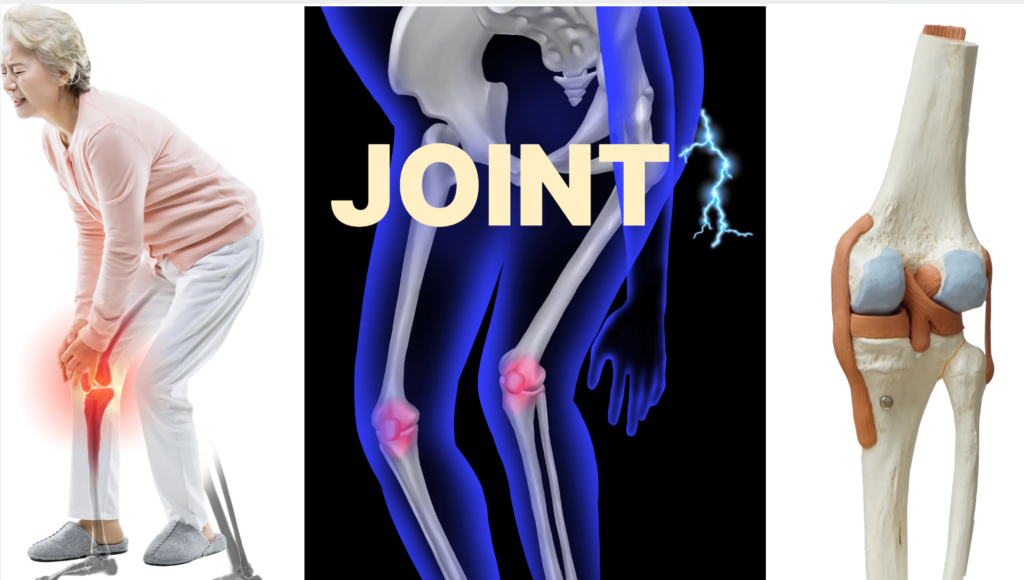
The right shoes can make every step less painful. Here’s what to look for — and which ones are actually worth it.
⚠️ Disclosure: This post contains affiliate links. If you purchase through these links, I may earn a small commission at no extra cost to you.
Why Your Shoes Matter More Than You Think
If you’re dealing with knee, hip, or ankle pain, your footwear might be making things significantly worse — without you even realizing it.
Every time your foot hits the ground, a shockwave travels up through your ankle, knee, and hip. Good shoes absorb that impact. Bad shoes send it straight to your already-inflamed joints.
The difference between the right pair and the wrong pair isn’t just comfort — it’s how much pain you’re in by the end of the day.
What to Look for in Walking Shoes for Joint Pain
Before jumping into product recommendations, it helps to know what actually matters. Not all “comfort shoes” are created equal.
Cushioning and Shock Absorption This is the most important factor. Look for thick, responsive midsoles — materials like EVA foam or gel inserts that compress when you step and spring back for the next stride. Your joints shouldn’t be doing the absorbing.
Arch Support Flat feet or fallen arches change the way your entire leg aligns, which puts extra stress on your knees and hips. Built-in arch support helps keep everything in proper alignment.
Wide Toe Box Many seniors develop bunions, hammertoes, or general foot widening with age. A cramped toe box causes pain that travels upward. Look for shoes labeled “wide” or “extra wide” if needed.
Lightweight Design Heavy shoes tire you out faster and change your natural gait. A lighter shoe means less effort with every step — which matters a lot on longer walks.
Non-Slip Outsole Fall prevention is a real concern. Rubber outsoles with good tread patterns provide grip on wet floors, uneven pavement, and slippery surfaces.
Easy On/Off Arthritis in the fingers and hands makes lacing up traditional shoes a real struggle. Velcro straps, slip-on designs, or wide openings make a huge difference in daily life.
Signs Your Current Shoes Are Hurting You
It’s worth doing a quick check before buying anything new:
- Your shoes are more than 6 months old with regular use
- The soles are worn unevenly (especially on one side)
- You feel more pain after walks than before
- Your feet, ankles, or knees ache by midday
- The insole has flattened out completely
If any of these sound familiar, it’s time for an upgrade.
Best Walking Shoes for Seniors with Joint Pain
Here are the categories that consistently get the best feedback from seniors dealing with joint issues:
1. Best Overall: Maximum Cushion Walking Shoes
These prioritize shock absorption above everything else — ideal if knee or hip pain is your main concern.
What to look for:
- Thick EVA or gel midsole (at least 25–30mm)
- Rocker bottom design (helps with forward motion, reduces joint stress)
- Breathable mesh upper
Who it’s best for: Seniors with knee osteoarthritis, hip pain, or anyone who spends a lot of time on hard floors.
[Browse top-rated cushion walking shoes on Amazon →]
2. Best for Wide Feet: Extra Wide Width Options
Standard shoes are designed for average-width feet — but many seniors need more room.
What to look for:
- Available in 2E (wide) or 4E (extra wide)
- Deep toe box
- Adjustable closure (Velcro or stretchy upper)
Who it’s best for: Seniors with bunions, swollen feet, or diabetic foot concerns.
[See highly-rated wide-width walking shoes on Amazon →]
3. Best Slip-On: No-Lace Options for Arthritis
If bending down or manipulating small laces is painful, slip-on shoes are a game changer.
What to look for:
- Elastic gusset or wide opening
- Still supportive — not just a flat loafer
- Good heel counter to keep the foot secure
Who it’s best for: Seniors with hand or finger arthritis, balance concerns, or anyone who wants convenience without sacrificing support.
[Shop top slip-on walking shoes for seniors on Amazon →]
4. Best with Arch Support: Orthopedic-Style Walking Shoes
These are designed to work with — or replace — custom orthotics.
What to look for:
- Removable insole (so you can add your own orthotic)
- Firm heel counter
- Motion control features for overpronation
Who it’s best for: Seniors with flat feet, plantar fasciitis, or those who already use orthotic inserts.
[View top orthopedic walking shoes on Amazon →]
5. Best Lightweight Option: For Longer Walks and Travel
Sometimes you want support without the bulk. Lightweight shoes reduce fatigue on longer outings.
What to look for:
- Under 10 oz per shoe
- Still has adequate cushioning (lightweight doesn’t mean flat)
- Flexible but supportive sole
Who it’s best for: Active seniors who walk regularly, travel, or don’t want to feel weighed down.
[Find top lightweight senior walking shoes on Amazon →]
Quick Comparison
| Type | Best For | Key Feature |
|---|---|---|
| Maximum Cushion | Knee & hip pain | Thick midsole, rocker bottom |
| Extra Wide | Bunions, swollen feet | 2E/4E width options |
| Slip-On | Hand arthritis, convenience | No laces needed |
| Arch Support | Flat feet, plantar fasciitis | Removable insole |
| Lightweight | Active walkers, travel | Under 10 oz |
Should You Also Use Insoles?
Even great shoes can be improved with the right insole. If your shoes have a removable footbed, consider replacing it with a quality orthotic insert — especially if you have flat arches or heel pain.
Look for insoles with:
- Firm arch support (not just soft foam)
- Deep heel cup
- Metatarsal pad for forefoot pain
[top-rated orthotic insoles for seniors on Amazon →]
Tips for Getting the Most Out of Your Walking Shoes
Shop in the afternoon. Feet swell throughout the day. Shoes that fit perfectly at 9am might feel tight by 3pm.
Wear your usual socks. If you wear thick compression socks, bring them when trying on shoes.
Replace regularly. Most walking shoes lose significant cushioning after 300–500 miles, even if they still look fine on the outside.
Break them in gradually. New shoes — even great ones — need a few days of shorter walks before you go long distances.
Recommended Products at a Glance
| Product | Type | Amazon Link |
|---|---|---|
| Max cushion walking shoe | Shock absorption | [View on Amazon →] |
| Extra wide senior shoe | Wide feet | [View on Amazon →] |
| Velcro slip-on shoe | Arthritis-friendly | [View on Amazon →] |
| Orthopedic walking shoe | Arch support | [View on Amazon →] |
| Orthotic insole insert | Add-on support | [View on Amazon →] |
More in Our Joint Pain Series
- 👉 Joint Pain in Seniors: Complete Guide to Symptoms, Causes & Solutions
- 👉 Knee Joint Pain in Seniors: Causes, Exercises & Best Products
- 👉 Hand & Finger Joint Pain: Relief Tips & Helpful Tools
- 👉 Best Supplements for Joint Pain in Seniors
- 👉 Hip Pain in Seniors: Gentle Exercises & Support Products
The Bottom Line
You don’t have to accept joint pain as just part of getting older. Starting with something as simple as better footwear can make a real, noticeable difference in how you feel every day.
Look for cushioning, support, and a fit that works for your feet — and don’t underestimate how much the right pair of shoes can change your daily life.
Have a favorite walking shoe that’s helped your joint pain? Share it in the comments — other readers would love to know!
Disclaimer: This article is for informational purposes only and is not a substitute for professional medical advice. Please consult your doctor or podiatrist for personalized footwear recommendations.
“As an Amazon Associate, I earn from qualifying purchases.”