
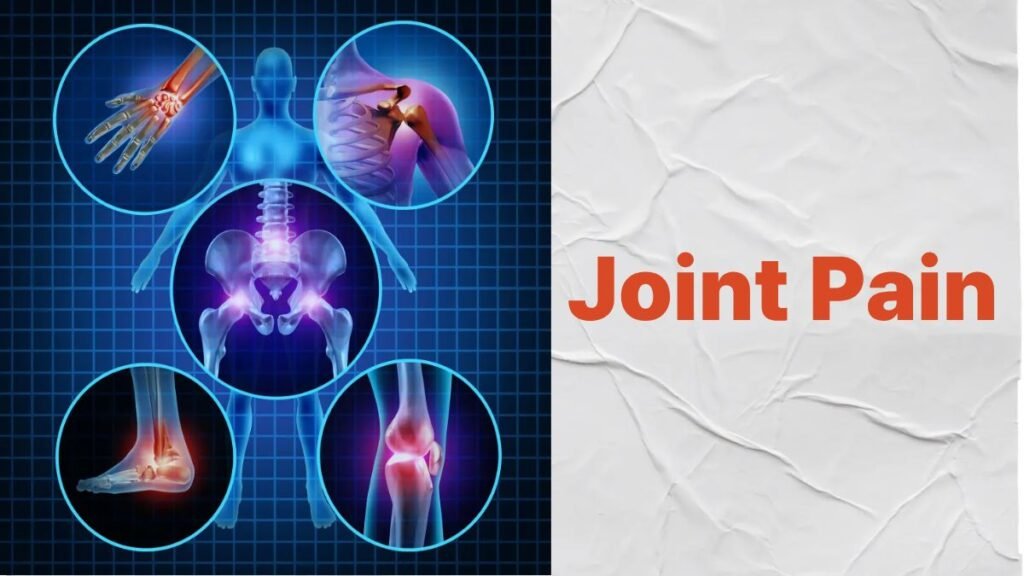
What Is Joint Pain, and Why Is It So Common in Seniors?
If your knees feel stiff when you get out of bed, or your fingers ache when you open a jar, you’re not alone. Joint pain affects millions of adults over 60, and it’s one of the most common reasons seniors visit their doctor.
As we age, the cartilage that cushions our joints gradually wears down. This means bones can start rubbing against each other, causing pain, swelling, and stiffness. But joint pain isn’t just about aging — inflammation, past injuries, and lifestyle factors all play a role too.
The good news? Understanding what’s happening in your body is the first step toward feeling better.
Disclosure: This post contains affiliate links. If you purchase through these links, I may earn a small commission at no extra cost to you.
Common Symptoms of Joint Pain in Seniors
Joint pain doesn’t always look the same for everyone. Here are the most common signs to watch for:
- Morning stiffness that lasts more than 30 minutes after waking up
- Swelling or tenderness around the joint
- A grinding or clicking sensation when you move
- Reduced range of motion — difficulty bending, gripping, or reaching
- Warmth or redness around the affected area
- Fatigue — chronic pain is exhausting, and that’s completely normal
These symptoms can appear in different joints — knees, hips, hands, wrists, shoulders — and they can range from mildly annoying to seriously limiting daily life.
The Most Common Causes
Osteoarthritis (OA) This is the most common type of arthritis in seniors. It happens when cartilage breaks down over time. The knees, hips, and hands are most often affected.
Rheumatoid Arthritis (RA) An autoimmune condition where the body attacks its own joint tissue. Unlike OA, RA often affects both sides of the body symmetrically — both hands, both wrists.
Gout Caused by a buildup of uric acid crystals in the joints. It often strikes the big toe first but can affect knees and ankles too.
Bursitis & Tendinitis Inflammation of the fluid-filled sacs (bursae) or tendons around joints. Common in shoulders, hips, and knees — especially after repetitive movements.
Old Injuries A knee injury from 30 years ago can come back to haunt you. Past damage to cartilage or ligaments often leads to arthritis later in life.
When Should You See a Doctor?
Home remedies and supportive products can help a lot — but some symptoms need professional attention. See your doctor if you notice:
- Sudden, severe joint pain with no clear cause
- Significant swelling that doesn’t go down within a few days
- Joint pain after an injury or fall
- Fever alongside joint pain (this can signal infection)
- Pain that’s getting progressively worse over weeks
Don’t wait too long. Early treatment can slow down joint damage significantly.
What Actually Helps: Practical Solutions for Daily Life
Here’s where things get encouraging. There’s a lot you can do — without a prescription — to manage joint pain and stay active.
1. Gentle Movement (Yes, Really)
It feels counterintuitive, but staying still makes joint pain worse. Low-impact activities like walking, swimming, and tai chi help keep joints flexible and reduce inflammation. Even 20 minutes a day makes a difference.
2. Heat and Cold Therapy
- Heat relaxes stiff muscles and improves circulation — great for morning stiffness
- Cold reduces swelling and numbs sharp pain — better for flare-ups
A good reusable hot/cold pack is one of the most useful things you can keep at home. [Check top-rated hot/cold therapy packs on Amazon →]
3. Supportive Footwear
If your knees or hips ache, your shoes might be making things worse. Hard, flat soles provide zero shock absorption, putting extra stress on your joints with every step. Shoes designed specifically for joint support can noticeably reduce daily pain.
👉 We cover this in detail in our full guide: Best Walking Shoes for Seniors with Joint Pain
4. Joint Supplements
Glucosamine and chondroitin are among the most studied supplements for joint health. While results vary, many seniors report meaningful relief after consistent use over several months. Omega-3 fatty acids (fish oil) also have solid research behind them for reducing inflammation.
[Browse highly-rated joint supplements on Amazon →]
5. Assistive Devices and Supports
Braces, compression sleeves, and grip aids aren’t just for people with severe limitations — they’re smart tools that protect your joints during everyday activities. A good knee brace during a walk, or a compression glove while gardening, can prevent a good day from turning into a painful one.
[See top-rated knee braces and joint supports on Amazon →]
6. Weight Management
Every extra pound puts roughly 4 pounds of added pressure on your knees. Losing even 10 pounds can meaningfully reduce knee pain. Combined with gentle exercise, diet adjustments can be one of the most powerful long-term strategies.
l medical advice. Always consult your doctor before starting any new treatment or supplement.
7. Ergonomic Home Adjustments
Simple changes at home — a raised toilet seat, a grab bar in the shower, an ergonomic can opener — reduce the strain on painful joints dozens of times a day. These small adjustments add up.
[Shop senior-friendly home safety and ergonomic aids on Amazon →]
Recommended Products for Joint Pain Relief
These are products that seniors consistently find helpful for managing joint pain at home:
| Product Type | What It Helps With | Amazon Link |
|---|---|---|
| Knee compression sleeve | Knee pain, walking support | [View on Amazon →] |
| Arthritis compression gloves | Finger & hand joint pain | [View on Amazon →] |
| Hot/cold therapy pack | Swelling, stiffness, flare-ups | [View on Amazon →] |
| Glucosamine + Chondroitin supplement | Long-term joint health | [View on Amazon →] |
| Ergonomic jar opener | Hand & wrist pain relief | [View on Amazon →] |
| Walking shoes with joint support | Knee, hip & ankle pain | [View on Amazon →] |
Explore Our Full Joint Pain Series
Joint pain affects different parts of the body in different ways. We’ve put together detailed guides for each:
- 👉 Best Walking Shoes for Seniors with Joint Pain
- 👉 Knee Joint Pain in Seniors: Causes, Exercises & Best Products
- 👉 Hand & Finger Joint Pain: Relief Tips & Helpful Tools
- 👉 Wrist Joint Pain in Seniors: What Helps & What Doesn’t
- 👉 Best Supplements for Joint Pain in Seniors
- 👉 Hip Pain in Seniors: Gentle Exercises & Support Products
The Bottom Line
Joint pain is common, but it doesn’t have to control your life. Understanding your symptoms, making small daily adjustments, and using the right supportive tools can make a real difference in how you feel — and how much you’re able to do.
Start with one change. A better pair of shoes, a compression sleeve, or a daily walk. Small steps lead to big improvements over time.
Have questions about joint pain or a specific product recommendation? Leave a comment below — we’d love to help.
Disclaimer: This article is for informational purposes only and is not a substitute for professional medical advice. Always consult your doctor before starting any new treatment or supplement.
“As an Amazon Associate, I earn from qualifying purchases.”